
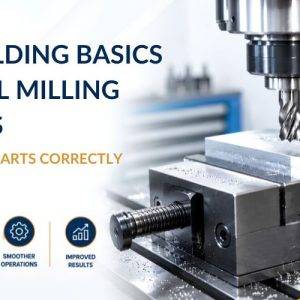
A milling cutter applies force to the workpiece. If the part can shift, lift, rotate, or flex, the machine produces inaccurate dimensions, poor surface finish, or unstable cutting even when the tooling and cutting parameters are correct. Workholding is how you prevent that — the setup that keeps … [Read more...] about Workholding Basics for Small Milling Machines to Secure Parts Correctly
What Is Tool Deflection and How Can You Prevent It?

A cutting tool can follow the programmed path correctly and still produce a part that is slightly out of position. During machining, cutting forces can push the tool away from its intended path, especially when the cutter is long, small in diameter, or heavily loaded. This movement can lead to … [Read more...] about What Is Tool Deflection and How Can You Prevent It?
Machining Tolerances Explained for Beginners
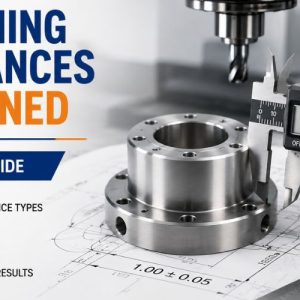
Machined parts are rarely produced at one exact dimension. Manufacturing processes naturally create small variations, so engineering drawings specify how much a dimension can differ while the part remains acceptable. These allowable limits are called machining tolerances. Understanding them helps … [Read more...] about Machining Tolerances Explained for Beginners
How to Use a Fly Cutter for Better Milling Surface Finish
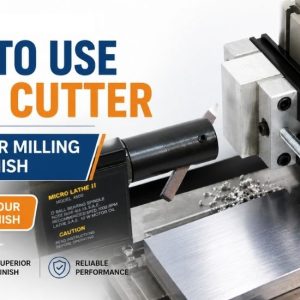
You finish a milling pass, look at the workpiece, and still see lines running across the surface. The part is flat, but the milling surface finish isn't as smooth as you expected. This is where a fly cutter for a milling machine can make a difference. A fly cutter is particularly useful for … [Read more...] about How to Use a Fly Cutter for Better Milling Surface Finish
Runout in Machining Explained: Causes, Effects, and How to Reduce It
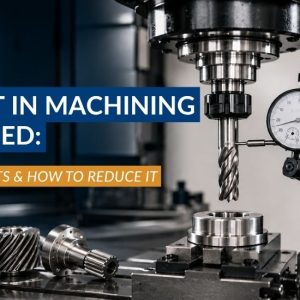
Maintaining precision in machining depends on more than selecting the correct spindle speed, feed rate, or cutting tool. Runout in machining is the variation between the actual rotation axis of a tool, workpiece, or spindle and its intended center axis. This slight wobble during rotation can reduce … [Read more...] about Runout in Machining Explained: Causes, Effects, and How to Reduce It
Why End Mills Break in Small Machines (Real Causes + Fixes)
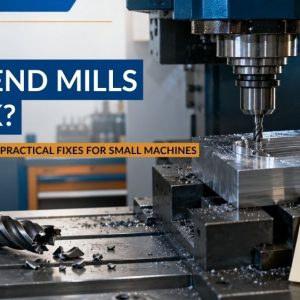
Small end mills can produce extremely precise results, but they are also more vulnerable to breakage than larger cutting tools. Few workshop problems are more frustrating than hearing a cutter snap in the middle of a project. Whether you use a manual mill or a CNC machine, understanding why end … [Read more...] about Why End Mills Break in Small Machines (Real Causes + Fixes)
How to Improve Surface Finish in Milling (Step-by-Step Guide)
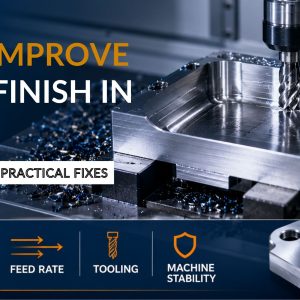
A smooth, consistent surface finish is one of the clearest signs of a well-tuned machining process. Yet many machinists eventually encounter rough surfaces, visible tool marks, chatter patterns, or inconsistent finishes that make parts look unprofessional and sometimes affect functionality. The … [Read more...] about How to Improve Surface Finish in Milling (Step-by-Step Guide)
Milling Machine Chatter Explained and How to Fix It Quickly
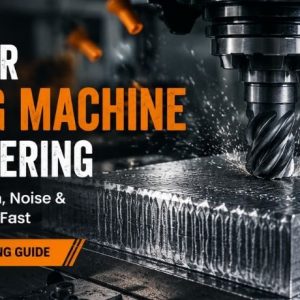
If your milling machine suddenly starts vibrating, producing loud cutting noise, or leaving rough surface marks, you are likely dealing with milling chatter. This problem frustrates many machinists because it affects surface finish, tool life, cutting accuracy, and overall machining … [Read more...] about Milling Machine Chatter Explained and How to Fix It Quickly
Mini Mill vs Drill Press: Which Tool Is Better for Small Metal Projects?

When comparing a drill press vs mill, beginners often wonder which machine is better for small metal projects. Choosing between a milling machine and a drill press comes down to understanding differences in accuracy, cutting capability, and machine movement. This helps determine which tool is best … [Read more...] about Mini Mill vs Drill Press: Which Tool Is Better for Small Metal Projects?
What Is Chip Load in Milling and Why It Matters for Small Machines?

Choosing the right cutting parameters is essential for achieving accurate and efficient machining results. One of the most important yet often misunderstood factors is chip load. Understanding chip load in milling helps machinists improve tool life, surface finish, and overall cutting performance, … [Read more...] about What Is Chip Load in Milling and Why It Matters for Small Machines?
