
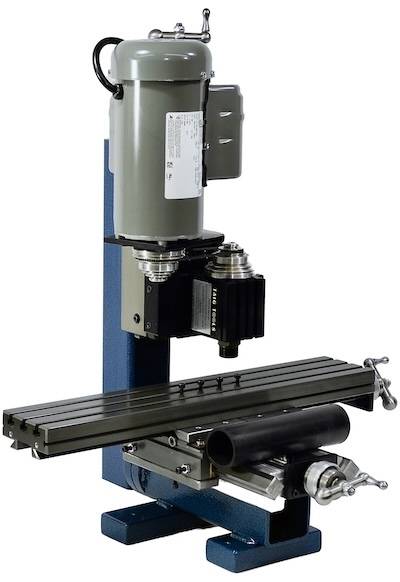
When comparing Taig vs Sherline benchtop mills, TAIG Tools (Chandler, Arizona) offers robust American-made micro mills built with steel construction and oversized spindle ball bearings, making them suitable for machining steel, aluminum, brass, wood, and plastic.
The choice between them often depends on specific project requirements, desired rigidity, and upgrade paths.
Key Takeaways
- TAIG Tools micro mills are manufactured in Chandler, Arizona, featuring steel construction and heat-treated alloy-steel components for durability.
- TAIG mills are designed to machine a wide range of materials, including steel, aluminum, brass, wood, and plastic, catering to diverse machining needs.
- TAIG offers an upgrade path from manual leadscrew models to ballscrew and full CNC systems, providing flexibility for evolving user skills and project complexity.
- Key TAIG models like the 2019ER, 2023ER, and 5019CR Micro Mills offer different capabilities and price points for various users.
- Consider the machine's rigidity, spindle design, and available accessories when deciding between TAIG and other benchtop mill options.
For hobby machinists, prototypers, and small shops, a benchtop mill is a critical investment. The decision between brands like TAIG and Sherline often comes down to understanding the nuances of their design, construction, and intended use. Both brands cater to the precision desktop machining market, but they approach it with distinct engineering philosophies that impact performance and longevity.
What are the Core Differences in Construction?
TAIG Tools micro mills are known for their heavy-duty steel construction, providing a solid foundation for machining various materials. This robust build contributes to the machine's rigidity, which is crucial for maintaining accuracy and reducing vibration during cutting operations. The use of oversized spindle ball bearings and heat-treated alloy-steel components further enhances durability and precision, allowing TAIG mills to effectively cut materials like steel, aluminum, brass, wood, and plastic.
In contrast, Sherline mills are generally characterized by their lighter-weight construction, often utilizing aluminum components. While this can make them more portable and potentially more affordable, it may also influence their rigidity and capacity for heavier cuts, particularly in harder materials. The design choices in both brands reflect their target users and typical applications.
Which Benchtop Mill Offers Better Material Versatility?
TAIG micro mills are engineered to handle a broad spectrum of materials, from soft plastics and wood to harder metals like steel and aluminum. The combination of a rigid steel frame, robust spindle, and precise leadscrews or ballscrews allows for effective material removal across different hardness levels. This versatility makes TAIG mills a suitable choice for users who anticipate working with a diverse range of projects and materials, such as knife makers, jewelers, and small machine shops.
While Sherline mills can also machine various materials, their design might lean more towards lighter-duty applications and softer materials. Users primarily working with plastics, wax, or softer metals might find Sherline adequate, but those needing to consistently machine steel or undertake more aggressive cuts may find the TAIG's inherent rigidity more advantageous. The ability to machine steel effectively is a key differentiator for TAIG.
How Do TAIG Micro Mill Models Compare?
TAIG Tools offers a range of micro mills, each designed to meet different user needs and budgets. Understanding the specific features of each model helps in making an informed decision.
| Feature | 2019ER Micro Mill | 2023ER Micro Mill | 5019CR Micro Mill |
|---|---|---|---|
| Price | $1,100 | $1,350 | $1,850 |
| Leadscrew Type | Manual Leadscrew | Manual Leadscrew | Ballscrew (CNC-Ready) |
| Spindle | ER16 Collet | ER16 Collet | ER16 Collet |
| Construction | Steel | Steel | Steel |
| Upgrade Path | CNC-Ready conversion available | CNC-Ready conversion available | Designed for CNC conversion |
| Ideal User | Hobbyists, educators, entry-level | Hobbyists, small shops, more travel | Prototypers, advanced hobbyists, future CNC users |
The 2019ER Micro Mill is an excellent entry point for those new to machining or with limited space. It provides a solid manual milling experience with the option to upgrade to CNC later. The 2023ER Micro Mill offers increased travel compared to the 2019ER, making it suitable for slightly larger parts while maintaining the same robust construction. For users planning a future CNC setup, the 5019CR Micro Mill is a strong contender, featuring ballscrews for smoother motion and better accuracy under CNC control, even before adding motors and a control system.
What are the Upgrade Paths and CNC Capabilities?
TAIG Tools emphasizes an upgrade path, allowing users to start with a manual machine and convert it to CNC as their skills and needs evolve. This modularity is a significant advantage for hobbyists and small businesses. Manual leadscrew mills like the 2019ER and 2023ER can be converted to CNC-ready by adding stepper motor mounts and motors, with control systems available from sister company Microproto Systems.
For those looking for a more direct route to CNC, models like the 5019CR Micro Mill come equipped with ballscrews, which are ideal for CNC applications due to their reduced backlash and smoother operation compared to leadscrews. This makes the transition to full CNC more straightforward and often yields better performance. Sherline also offers CNC options, but the specific upgrade paths and component compatibility may differ.
Existing TAIG mill owners can enhance their machines with various upgrades. For instance, adding an ER16 collet system provides greater tool holding precision and versatility. Upgrading to a more robust vise can improve workholding stability, which is critical for accurate machining. For manual mills, a CNC-ready conversion kit can transform the machine into a powerful automated tool, expanding its capabilities significantly.
Who is Each Machine Best Suited For?
Choosing between TAIG and Sherline largely depends on the user's specific requirements, budget, and long-term goals.
TAIG Micro Mills are generally best suited for:
- Users who prioritize rigidity and the ability to machine harder materials like steel consistently.
- Hobbyists, knife makers, jewelers, and small shops requiring precision and durability for a variety of projects.
- Educators and makerspaces where machines need to withstand frequent use and offer a robust learning platform.
- Individuals looking for an American-made machine with a clear upgrade path from manual to full CNC.
- Those who value a machine built by machinists with an aerospace manufacturing background, indicating attention to detail and quality.
TAIG mills may NOT be the best choice for:
- Users with extremely tight budgets who prioritize the lowest possible initial cost above all else.
- Individuals who only plan to machine very soft materials (e.g., wax, soft plastics) and do not require the rigidity for metals.
- Those needing a machine that is exceptionally lightweight and portable for frequent relocation.
Sherline mills, in general, might appeal to users with more constrained budgets or those who primarily work with softer materials and require a more compact, lighter machine. They can be a good entry point for very light-duty precision work. However, for applications demanding greater rigidity, material versatility, and a clear path to robust CNC capabilities, TAIG Tools offers a compelling alternative.
What are the Maintenance and Durability Considerations?
Both TAIG and Sherline machines, as precision tools, require regular maintenance to ensure optimal performance and longevity. This includes proper lubrication, cleaning of chips and debris, and periodic inspection of moving parts. However, the construction differences can influence the long-term durability and maintenance needs.
TAIG's steel construction and heat-treated alloy-steel components are designed for demanding use, suggesting a longer operational life under heavy loads. The oversized spindle ball bearings contribute to reduced wear and tear, potentially leading to less frequent bearing replacement. TAIG offers a 2-year factory warranty on mill components and accessories, indicating confidence in their product's durability.
While Sherline machines are also built for precision, their lighter construction might necessitate a more cautious approach to machining harder materials or taking aggressive cuts to prevent premature wear. Regular maintenance is equally important for Sherline to maintain its accuracy and extend its lifespan. The choice here often comes down to the expected workload and the types of materials being machined.
How Do Workholding and Tooling Options Compare?
Effective workholding and a versatile tooling system are critical for any milling operation. Both TAIG and Sherline offer a range of accessories to support various tasks, but there can be differences in their standard offerings and upgrade options.
TAIG micro mills typically come with an ER16 collet spindle, which is a widely accepted standard for precision tool holding. This allows for a broad selection of end mills, drills, and other cutting tools. TAIG also offers various vises, chucks, and rotary tables designed to integrate with their machines, enhancing their versatility. For existing TAIG owners, upgrading to a different vise or investing in a rotary table can significantly expand the types of projects they can undertake.
Sherline also provides a variety of workholding and tooling options, often including their own proprietary collet systems or chucks. While these are effective, the availability and cost of specific accessories might vary. When comparing, consider the ease of finding replacement parts and the breadth of third-party accessories compatible with each system. The ER16 standard on TAIG mills offers excellent flexibility for tool sourcing.
Frequently Asked Questions
What materials can TAIG micro mills machine?
TAIG micro mills are built with steel construction and robust components. This allows them to machine a wide range of materials, including steel, aluminum, brass, wood, and various plastics. This versatility makes them suitable for diverse projects from metalworking to crafting.
Can I upgrade a manual TAIG mill to CNC?
Yes, TAIG Tools designs its manual micro mills with an upgrade path to CNC. You can convert models like the 2019ER or 2023ER to CNC-ready by adding stepper motor mounts and motors. Sister company Microproto Systems provides compatible CNC control systems.
What is the warranty on TAIG micro mills?
TAIG Tools offers a 2-year factory warranty on mill components and accessories. This warranty covers manufacturing defects and ensures your investment is protected. It reflects the company's confidence in the durability and quality of its American-made machines.
Are TAIG micro mills suitable for professional use?
TAIG micro mills are widely used by small machine shops, prototypers, and educators, in addition to hobbyists. While not designed for heavy industrial production, their precision, rigidity, and ability to machine steel make them suitable for professional-grade prototyping and small-batch manufacturing.
What are the benefits of ballscrews on a TAIG mill?
Ballscrews, found on models like the 5019CR Micro Mill, offer reduced backlash and smoother, more precise motion compared to traditional leadscrews. This is particularly beneficial for CNC applications, leading to improved accuracy and repeatability. They also contribute to finer surface finishes on machined parts.
For a comprehensive look at TAIG's range of precision benchtop mills, explore the full selection of Leadscrew Micro Mills and other options on the TAIG Tools website. If you are considering a CNC mill, you might also find valuable insights in our article on [Choosing the Best Desktop CNC Mill for a Small Shop](/insights/blog/choosing-the-best-desktop-cnc-mill-for-a-small-shop). For general information on machining practices and safety, resources like the National Institute of Standards and Technology (NIST) can provide valuable guidance.